


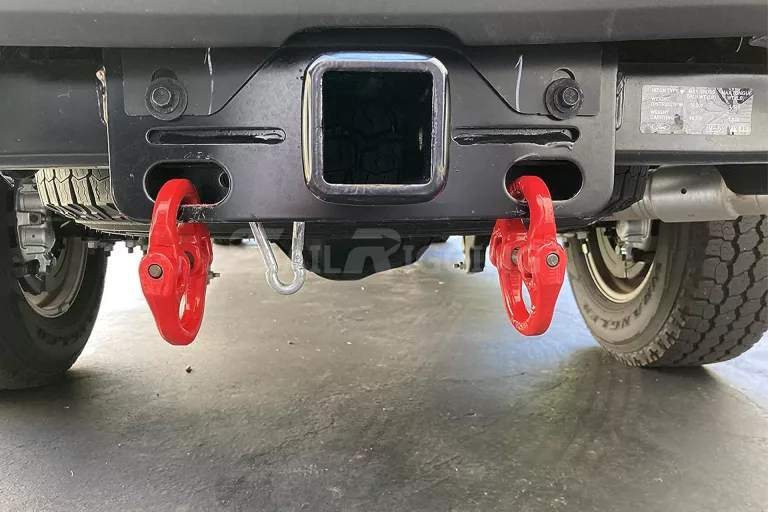
When it comes to rigging hardware, connecting links play a crucial role in ensuring secure and efficient operations. Qingdao Sail Rigging Co.,Ltd has dedicated in providing excellent quality rigging supplier since 2009.Today we’re diving into the specifics of connecting links, their types, materials, and usage.
Introduction to Connecting Links
Connecting links are essential components in rigging and lifting systems. They are used to join chains, ropes, or other hardware to form a continuous, secure connection. These links are designed to handle substantial loads, making them indispensable in various industrial and construction applications.
Range of Connecting Links
Connecting links come in different types to meet various industry standards and requirements. Two common categories are European connecting links and US connecting links.
European Connecting Links
European connecting links are designed following the standards set by European regulatory bodies. These links often feature a more streamlined design and are known for their durability and high load-bearing capacity. They are commonly used in industries that demand rigorous safety and performance standards.
US Connecting Links
US connecting links adhere to the specifications laid out by American standards. These links are robust and versatile, suitable for a wide range of lifting and rigging applications. They are popular in the North American market and are trusted for their reliability and strength.
Material
One of the common materials used in manufacturing connecting links is 35CrMo, a high-strength alloy steel. This material is favored for its excellent mechanical properties, including high tensile strength, toughness, and wear resistance. The use of 35CrMo ensures that connecting links can withstand heavy loads and harsh working conditions, making them ideal for critical lifting operations.
Usage of Connecting Links in Lifting
Connecting links are integral in lifting applications, particularly when used with sling chains. Here’s how they are typically utilized:
Chain Sling Assemblies: Connecting links are used to join individual lengths of chain to form a continuous chain sling assembly. This is crucial in lifting operations where adjustable lengths of chain are required.
Connecting Components: They serve as connectors between different components of a lifting system, such as hooks, shackles, and master links. This ensures a secure and flexible configuration that can be adapted to various lifting tasks.
Load Distribution: In multi-leg sling assemblies, connecting links help in evenly distributing the load across all legs of the sling, enhancing the stability and safety of the lift.
Conclusion
Connecting links are vital components in the rigging and lifting industry, providing secure and reliable connections for various applications. Understanding the different types, materials, and uses of connecting links can help in selecting the right hardware for your specific needs. At [Your Company Name], we are committed to supplying high-quality connecting links that meet the stringent demands of modern lifting operations. If you want to know more about high strength connecting link, please contact Sail Rigging right now.