


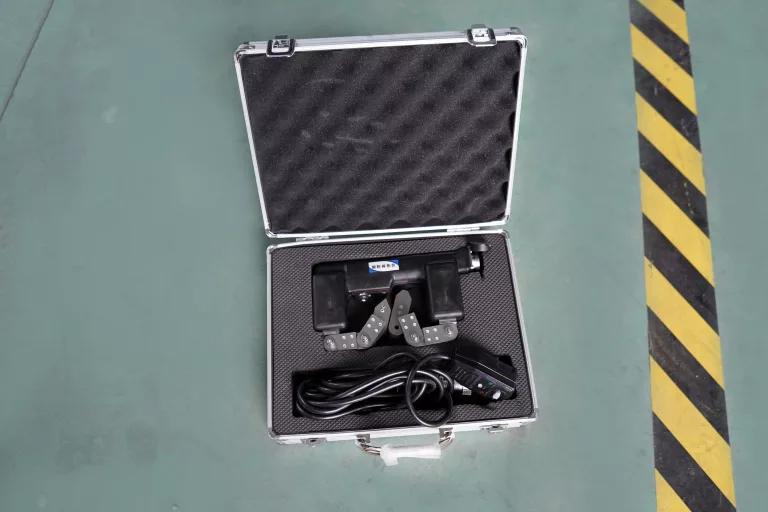
Magnetic defect testing stands as a cornerstone in quality assurance protocols, offering a reliable means of detecting flaws in ferromagnetic materials.
By leveraging magnetic properties, this non-destructive testing method ensures structural integrity, regulatory compliance, and operational efficiency across diverse industries.
Usually self color rigging hardware need to do magnetic defect testing, such as shackle, turnbuckle, eye bolt, etc.
Today, we will talk about how to do this test, the procedure is also very important.
- Preparation:
Clean the component surface to remove any contaminants that could interfere with the test.
Choose an appropriate magnetic particle application method, such as dry powder, wet fluorescent, or wet visible.
- Magnetization:
Apply a magnetic field to the component using either a yoke, prod, or coil method.
Ensure proper magnetization direction based on the component geometry and defect orientation.
- Application of Magnetic Particles:
Sprinkle or spray magnetic particles onto the surface while the magnetic field is present.
Allow the particles to accumulate at defect locations, forming visible indications.
- Inspection:
Examine the component under suitable lighting conditions, such as black light for fluorescent particles or white light for visible particles.
Interpret the indications to differentiate between acceptable anomalies (such as weld reinforcements) and critical defects.
- Post-Processing:
Clean the component to remove residual magnetic particles.
Document the test results, including defect locations, sizes, and orientations.
If you have any special requirement about magnetic defect testing, please feel free to contact Sail Riggging.