
Clevis grab hooks are indispensable tools in material handling and rigging operations, designed to securely connect and lift loads. These versatile hooks are engineered with a specific purpose in mind, offering practical solutions for various applications across industries. Understanding the features and applications of clevis grab hooks is essential for optimizing efficiency and ensuring safety in lifting and rigging tasks. We have different grades of clevis grab hook, such as G43 clevis grab hook, G70 clevis grab hook, G80 clevis grab hook, G100 clevis grab hook.
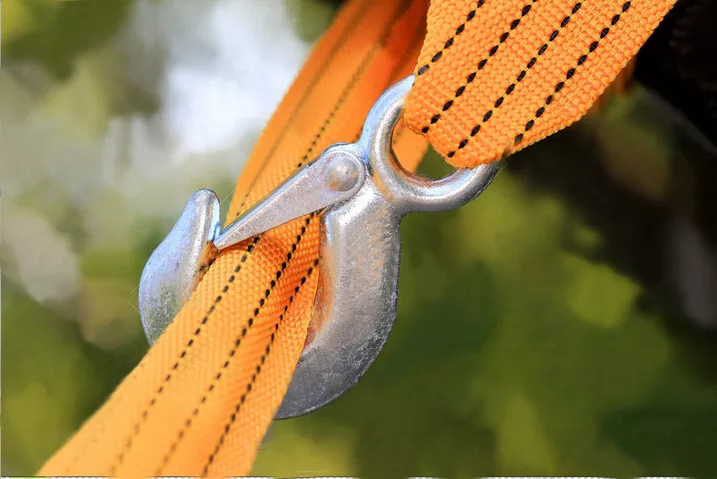
Clevis grab hooks feature a distinctive design that combines a clevis attachment point with a hook that has a latch or safety catch. This design allows for easy attachment to chains, cables, or other lifting components, providing a reliable connection to loads. The “grab” aspect refers to the ability of the hook to securely grip and hold onto the load, preventing accidental detachment during lifting and lowering operations.
Clevis grab hooks find widespread use in material handling scenarios where a quick and secure connection to loads is crucial. These hooks are commonly employed in settings such as construction sites, manufacturing facilities, and warehouses. Their versatility makes them suitable for lifting a variety of materials, including steel beams, pipes, and other heavy objects.
Versatility in Rigging:
In rigging applications, clevis grab hooks play a vital role in creating efficient lifting configurations. They are often used in combination with chains or slings to form reliable connections between the lifting equipment and the load. The ability of clevis grab hooks to securely grip onto the load enhances stability and control during lifting, contributing to the overall safety and success of rigging operations.
Safety Features:
Safety is a paramount consideration in material handling and rigging, and clevis grab hooks are equipped with features to mitigate risks. The inclusion of latches or safety catches prevents accidental disengagement of the hook, providing an additional layer of security during lifting and lowering processes. Regular inspections and adherence to safety guidelines are essential to ensure the ongoing reliability of clevis grab hooks.
Conclusion:
Clevis grab hooks serve as essential components in material handling and rigging applications, offering a reliable and secure means of connecting and lifting loads. Their versatility, coupled with safety features, makes them indispensable tools across a spectrum of industries where efficient and safe material handling is paramount. Rigging professionals value clevis grab hooks for their role in enhancing the precision, safety, and success of lifting operations. If you want to know more about clevis grab hook, please feel free to contact Sail Rigging.