


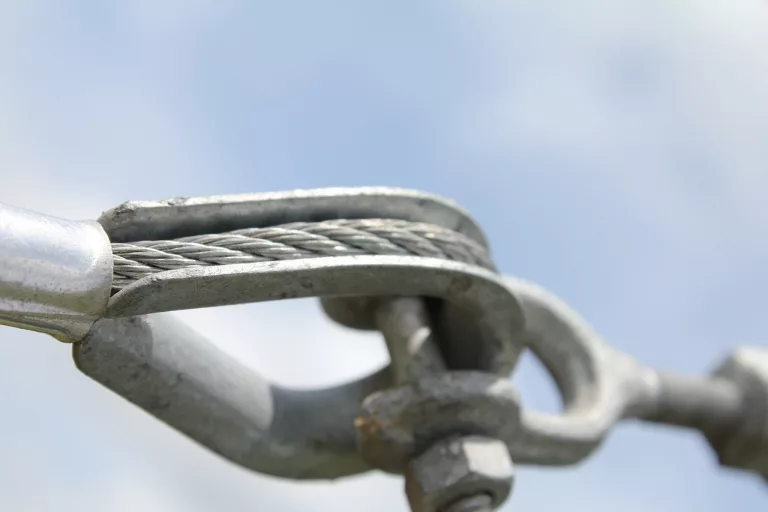
In the vast and intricate world of maritime logistics, the safety and integrity of cargo during transit are paramount. One of the unsung heroes in ensuring the stability of cargo containers on ships is the humble yet crucial turnbuckle. This article delves into the significance of turnbuckles in ship container securing, exploring their design, functions, and the pivotal role they play in the smooth and secure transport of goods across the seas.
Understanding the Turnbuckle:
A turnbuckle is a mechanical device designed for tensioning and adjusting the length of ropes, cables, or rods. In the context of ship containers, turnbuckles are indispensable components used to secure and stabilize cargo during maritime transportation. There’s so many types of turnbuckles, such as US Type Turnbuckle, JIS Type Turnbuckle, DIN1480 Turnbuckle, DIN1478 Turnbuckle, Commercial Type Turnbuckle, Australian Standard Turnbuckle, etc.
Key Functions in Ship Container Securing:
Tensioning and Fastening:
Turnbuckles function as tensioning tools, applying force to tighten and secure cargo within containers. This prevents the cargo from shifting during the ship’s movement, especially when navigating through rough waters. The ability to provide consistent tension is crucial in maintaining the stability of the containerized goods.
Flexibility in Container Sizes:
Containers come in various sizes, and turnbuckles offer a versatile solution for securing different container dimensions. The adjustable nature of turnbuckles allows for customization, ensuring a snug fit regardless of the container’s size. This adaptability is essential for optimizing cargo space and accommodating diverse types of goods.
Preventing Sway and Toppling:
Ships encounter dynamic and unpredictable sea conditions, leading to swaying and rocking motions. Turnbuckles play a pivotal role in stabilizing containers, minimizing the risk of toppling or shifting. This not only safeguards the cargo but also contributes to the overall stability and safety of the vessel.
Corrosion Resistance:
Operating in a corrosive marine environment, turnbuckles used in ship containers are typically constructed from materials resistant to corrosion, such as stainless steel or galvanized steel. This corrosion resistance ensures the durability of turnbuckles, minimizing maintenance requirements and enhancing their lifespan.
Compliance with International Standards:
The maritime industry adheres to strict safety and quality standards. Turnbuckles used in ship containers must meet these international regulations to ensure the safe transportation of goods. Compliance with standards enhances the reliability of turnbuckles and contributes to the overall safety of the maritime transport system.
Conclusion:
In conclusion, turnbuckles are unsung heroes in the world of maritime logistics, playing a pivotal role in securing and stabilizing cargo containers on ships. Their ability to provide tension, adaptability to various container sizes, and resistance to corrosion make turnbuckles indispensable components in ensuring the safe and efficient transportation of goods across the seas. As technology and materials continue to advance, turnbuckles will remain essential contributors to the reliability and safety of the global shipping industry. If you want to know more about turnbuckles in ship container, please feel free to contact Sail Rigging.