
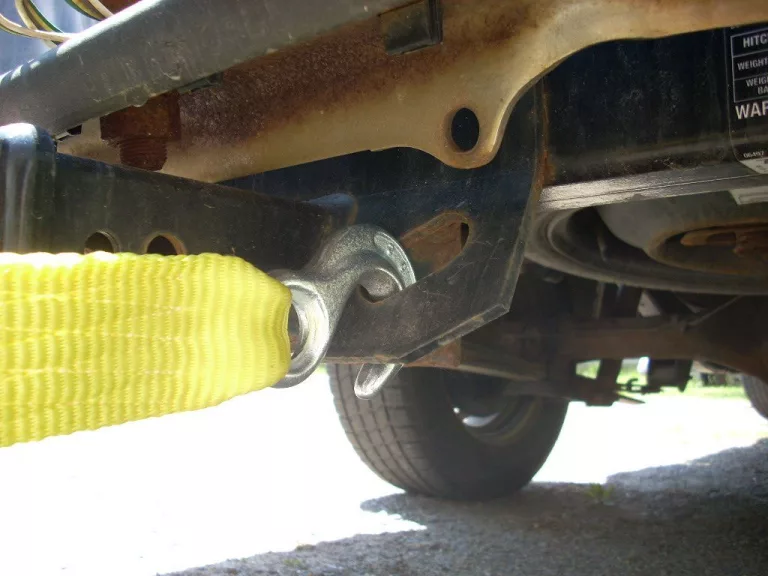
Tow hooks stand as essential components in the realm of car towing, offering a secure link between vehicles during recovery operations or when assistance is needed. While seemingly straightforward, tow hooks come in various types, each tailored to specific towing scenarios. In this comprehensive overview, we will explore the different types of tow hooks, shedding light on their unique features and applications. There’re so many type hooks for towing, such as eye hook, eye grab hook, etc.
Front Tow Hooks
Located at the front of the vehicle, typically integrated into the frame or bumper.
Designed for front-end towing or recovery operations.
Commonly found in off-road vehicles and trucks, they provide a robust connection point for frontal assistance.
Rear Tow Hooks
Positioned at the rear of the vehicle, often integrated into the rear bumper or chassis.
Ideal for rear-end towing or recovery situations.
Vehicles designed for off-road adventures often come equipped with both front and rear tow hooks for comprehensive recovery capabilities.
Universal Tow Hooks
Versatile in design, these tow hooks can be mounted on either the front or rear of the vehicle.
Offer flexibility for towing from various angles, catering to diverse recovery scenarios.
Aftermarket universal tow hooks are available, allowing users to enhance their vehicles with towing capabilities.
Recovery/Shackle Tow Hooks
Equipped with additional features like a shackle or D-ring for increased versatility.
Designed for more complex recovery operations, such as off-road rescues or challenging terrain situations.
Off-road enthusiasts and those engaging in adventurous activities often opt for recovery tow hooks.
Hidden Tow Hooks
Designed for a cleaner aesthetic, these tow hooks are concealed within the vehicle’s design.
Often retractable or foldable to maintain a sleek appearance when not in use.
Popular in sports cars and vehicles where aesthetics play a significant role.
How To Choose The Right Type
Selecting the appropriate tow hook is crucial for a safe and effective towing experience. Consider the following factors:
Vehicle Compatibility
Ensure the tow hook is compatible with your vehicle’s make and model.
Some vehicles may require aftermarket tow hooks.
Towing Capacity
Match the tow hook’s capacity with the towing requirements of both the towing and towed vehicles.
Exceeding the towing capacity could lead to equipment failure or damage.
Intended Use
Evaluate the primary use case for the tow hook (e.g., off-road recovery, roadside assistance, regular towing).
Select a tow hook that aligns with your specific needs.
Conclusion
Understanding the various types of tow hooks empowers drivers to make informed decisions when it comes to towing-related activities. Whether facing challenging off-road terrains or simply in need of roadside assistance, choosing the right tow hook can make a significant difference in the safety and success of the towing operation. By considering the unique features of each type, drivers can enhance their vehicles with the appropriate tow hooks for a reliable and secure towing experience. If you want to know more about towing hook, please contact Sail Rigging right now.