


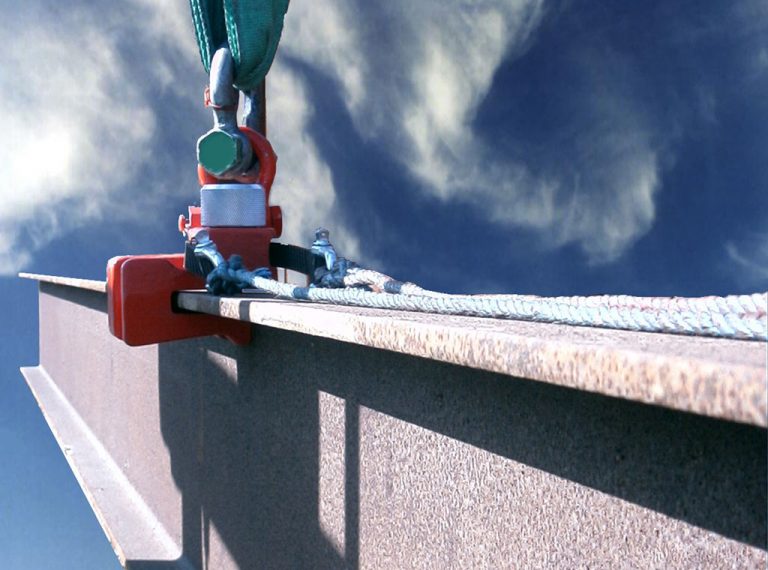
The choice of material for shackles plays a significant role in determining their working load limit (WLL) and overall performance. Different materials have varying properties that make them suitable for specific applications. Here’s a closer look at how the material of shackles influences their working load limits:
1.Carbon Steel Shackles:
Carbon steel shackles are the most common and cost-effective option.
They are suitable for indoor use in non-corrosive environments.
Carbon steel shackles are available in both alloy and non-alloy variations.
Non-alloy carbon steel shackles typically have a lower WLL compared to alloy steel or stainless steel shackles.
The WLL of carbon steel shackles can range from a few hundred pounds to several tons, depending on their size and design.
These shackles are commonly used in construction, manufacturing, and industrial settings.
2.Stainless Steel Shackles:
Stainless steel shackles are known for their excellent corrosion resistance, making them ideal for outdoor and marine applications.
They are also used in environments where exposure to moisture, chemicals, or corrosive substances is common.
Stainless steel shackles come in various grades, with 316 and 304 being the most commonly used for marine and general applications.
The WLL of stainless steel shackles varies depending on the grade, size, and design. They can typically handle loads comparable to or slightly less than carbon steel shackles of the same size.
These shackles are widely used in the maritime industry, in food processing, and in applications where aesthetics are a consideration.
3.Alloy Steel Shackles:
Alloy steel shackles are known for their high strength and durability.
They are designed to handle heavy-duty and high-stress applications.
Alloy steel shackles are heat-treated to enhance their strength and toughness.
These shackles have a higher WLL compared to both carbon steel and stainless steel shackles of similar sizes.
They are commonly used in construction, oil and gas, mining, and heavy lifting applications.
Alloy steel shackles can have WLLs ranging from several tons to well over 100 tons for larger, specialized models.
It’s essential to consult Sail Rigging‘s specifications and markings on the shackles to determine their exact working load limit. Remember that the WLL may vary based on factors such as shackle type, size, and design. Additionally, always adhere to safety standards and consider the safety factor when selecting shackles to ensure safe and reliable operations in your specific application.