
Load Binder Standards Guide: DOT, EN12195 & AS/NZS 4344 Compliance Explained
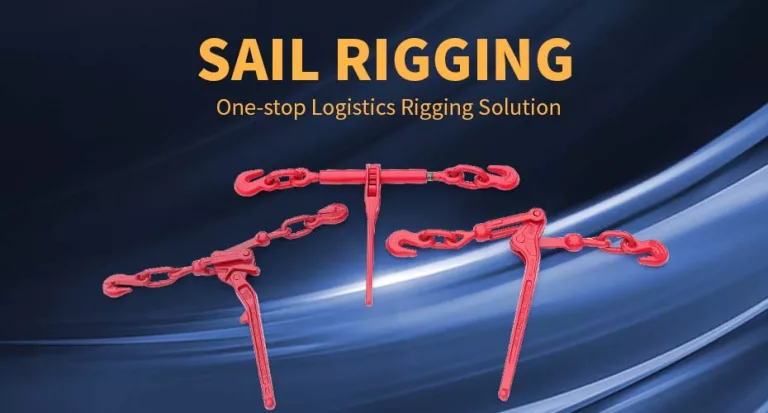
load binders (also known as chain binders) are essential tools for securing heavy loads in logistics transportation, construction projects, and heavy equipment handling, . They not only tie down heavy loards in place but also prevent them from shifting, toppling, or falling off during transportation, reducing the risk of accidents.
Table of Contents
Using substandard load binders can lead to the following serious issues:
- Inadequate load securing: Loosening chains or binder failure during transportation may cause goods to slip or tip over.
- Safety hazards: Binder breakage can directly threaten the safety of operators and road transportation.
- Legal liabilities: Different countries and regions have clear requirements for transportation safety, and non-compliant products may result in fines or seizures.
With the continuous expansion of global trade, load binders that meet international standards have become a necessary condition for entering the markets of Europe, America, and Australia, and are also an important guarantee for the safe operation of enterprises and their brand reputation.
What Are Load Binder Standards?
The standard for rigging equipment is a set of normative requirements for the design, manufacture, performance and testing of products, ensuring their reliability, safety and traceability during use.
Core indicators
- Working Load Limit (WLL): The maximum weight that load binder can bear within the safety range.
- Minimum Breaking Strength (MBS): The breaking load of load binder under extreme conditions.
- Safety Factor: The ratio of MBS to WLL, usually 2 to 3 times, to ensure safety under unexpected loads.
- Durability and fatigue performance: Including wear after long-term use, environmental corrosion resistance and stability during repeated use.
Standard type
1. Regulatory Standards (Mandatory Regulatory Standards)
Compulsory requirements, such as those of the US DOT/FMCSA, mandate that tensioning devices comply with safety regulations during transportation.
2. Performance Standards (Technical Performance Standards)
FMCSA, European EN12195 and AS/NZS 4344 are main standards, emphasize product performance, strength testing, and fatigue life.Load binder manufacturer can not only ensure the safety of goods transportation but also meet the compliance requirements of different markets.
Major Load Binder Standards by Region
-
United States: DOT/FMCSA Standards
The U.S. market is regulated by the Department of Transportation (DOT) and the Federal Motor Carrier Safety Administration (FMCSA), mainly for truck transportation and highway cargo securing.
Main Requirements:
- Tensioners must be used in conjunction with G70 transport chains.
- Products must clearly indicate the Working Load Limit (WLL).
- The design must prevent loosening and detachment to ensure safety during long-distance transportation.
Application Scenarios:
- Securing heavy machinery during road transportation
- Securing cargo on trucks and trailers
- Long-distance logistics transportation
-
Europe: EN 12195 Standard
EN 12195 is the core standard for cargo lashing systems in Europe, imposing strict requirements on the safety performance of chains and binders.
Key features include:
- Utilizing **Lashing Capacity (LC)** as the measurement criterion.
- Emphasizing the overall performance of the system, requiring chains and lashing gear, as well as lashing components, to be used in combination to meet the standard requirements.
- High demands for fatigue testing and safety factors to ensure long-term safety in use.
- Lashing gear that complies with the EN 12195 standard is a necessary condition for entering the EU market and also guarantees the safety and stability of goods during transportation.
-
AS/NZS 4344 Standard
AS/NZS 4344 is specifically designed for chains and tensioning systems, with high requirements for durability and long-term performance.
Standard features:
- Stringent strength, wear, and corrosion resistance tests
- Clear identification and traceability requirements
- Applicable to high-strength transportation and harsh environments
- Compared with standards in other regions, AS/NZS 4344 has higher requirements for durability and lifespan, ensuring reliability in severe weather and long-distance transportation conditions.
Load Testing & Strength Verification
To ensure the safety of rigging in practical use, load testing and strength verification are indispensable steps. Common test types include:
- Proof Load Test: Usually 50% of the MBS, to verify the stability of the product under normal use.
- Breaking Test: To confirm the ultimate load-bearing capacity and ensure the product does not break under short-term loads.
- Fatigue Test: To simulate repeated use scenarios and assess the long-term stability of the product.
Through rigorous testing, the safety and durability of rigging can be effectively verified, while also meeting international market requirements for quality certification and export compliance.
Marking & Traceability Requirements
Standardized rigging must have clear and permanent identification to meet regulatory, quality tracking and customer audit requirements. Essential identification information includes:
- Working load limit (WLL) or lashing capacity (LC)
- Product specifications and dimensions
- Manufacturer identification or brand information
The importance of traceability:
- Enables quick identification of quality issues and batch tracking
- Meets customs and customer audit requirements
- Enhances brand credibility and increases customer trust
- load binders without identification or traceability information often fails audits during export and increases the risk of liability in case of accidents.
How to Choose a Compliant Load Binder Supplier
Selecting compliant suppliers is the key to ensuring the quality and compliance of rigging. Key considerations include:
1. Standard compliance: Check if they meet the standards of the target markets such as DOT, EN12195, and AS/NZS 4344.
2. Testing capabilities: Whether they have complete tensile testing, fatigue testing, and third-party certification reports.
3. Quality control system: Whether they strictly implement AQL inspection to control critical and major defects.
4. Product traceability: Whether they provide clear identification and batch tracking systems.
5. Export experience: Whether they are familiar with the compliance requirements of the European, American, and Australian markets and can provide certification documents.
Selecting compliant suppliers not only reduces procurement risks but also enhances the competitiveness of enterprises in the international market.
Conclusion
The standards for load binder are not only technical requirements but also the foundation for safety assurance and market access. By adhering to the DOT,FMCSA, EN12195, and AS/NZS 4344 standards, chain binder manufacturer can ensure the safety, stable performance, durability, and reliability of their products, and smoothly enter the international market.This is a core element that every load binder manufacturer should pay attention to. If you have any question about the standards of load binders, don't hesitate to contact Sail Rigging.